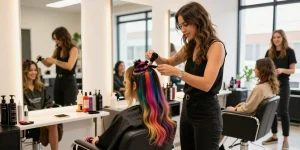
Experience the latest hair style trend with colorful extensions in a lively salon setting.

Hair Style Trend Insights for 2026: Expert Tips for a Stunning Look

Understanding Hair Style Trends in 2026

As we move into 2026, staying updated with the latest hair style trend is essential for those looking to revamp their look or maintain a chic appearance. Hair trends evolve continuously, influenced by cultural shifts, celebrity styles, and advancements in hair care products. Understanding these changes can help individuals make informed choices about their personal style, ensuring they not only look great but also feel confident in their hairstyle choices.

What Defines Current Hair Style Trends?

Current hair style trends are shaped by various factors, including fashion shows, social media influencers, and seasonal changes. Key characteristics of these trends often include:

  • Versatility: Modern hairstyles often aim for flexibility, allowing individuals to switch up their looks easily.
  • Personalization: Customization to fit individual personalities and lifestyles has become paramount.
  • Embracing Natural Textures: More people are opting for styles that highlight their natural hair type, whether curly, wavy, or straight.

Key Influences Shaping Trends This Year

Several trends are taking center stage this year, driven by various influences:

  • Cultural Inspirations: Hair trends frequently draw from different cultures, creating a rich tapestry of styles.
  • Celebrity Endorsements: Celebrities remain a significant influence, with their styles often becoming viral sensations.
  • Sustainability: More consumers are now considering eco-friendly products and techniques when selecting their hairstyles.

The Rise of Sustainability in Hair Fashion

As environmental consciousness grows, sustainability is playing a crucial role in shaping hair style trends. Salons are beginning to use organic products, and consumers are looking for eco-friendly options that don’t compromise quality. This trend promotes health not just for the hair, but also for the planet.

Popular Hair Styles to Watch

Must-Try Cuts for 2026: Bobs, Shags, and More

This year, a variety of cuts are making waves, with styles such as:

  • Blunt Bobs: A timeless classic updated with modern angles, perfect for a sleek look.
  • Shag Haircuts: These cuts work for all hair types, providing a laid-back, effortless feel.
  • Pixie Cuts: Short hairstyles continue to dominate, celebrated for their boldness and ease of maintenance.

Color Trends: From Pastels to Bold Shades

Color is a significant aspect of hairstyle trends. In 2026, popular choices include:

  • Pastel Shades: Soft pinks, blues, and lavenders bring a whimsical vibe.
  • Bold Colors: Vibrant reds and electric blues can make statements, perfect for those wanting to stand out.
  • Balayage and Ombré: These techniques continue to be favored for creating depth and dimension.

How to Choose the Right Style for Your Face Shape

Selecting a hairstyle that complements your face shape can enhance your overall appearance. Here are tips for different shapes:

  • Oval Faces: Most cuts work, but long layers add movement.
  • Square Faces: Opt for soft layers to soften the jawline.
  • Round Faces: Long styles or layered bobs elongate the face.

Styling Tips for Hair Extensions

Types of Extensions and Their Benefits

Hair extensions are a great way to change your look without committing to a cut. Different types include:

  • Clip-ins: Easy to apply and remove, perfect for temporary looks.
  • Sew-ins: Ideal for longer wear, these extensions provide a seamless blend.
  • Tape-ins: Known for their natural appearance, great for adding volume and length.

Maintenance Tips for Longevity

To make the most of your hair extensions, follow these maintenance tips:

  • Use sulfate-free shampoos to prevent damage.
  • Brush gently and use heat protectants when styling.
  • Visit your stylist regularly for upkeep and adjustments.

How to Blend Extensions for a Natural Look

Blending extensions seamlessly into your natural hair can be achieved by:

  • Choosing extensions that match your natural color.
  • Layering your hair around the extensions.
  • Styling both your natural hair and extensions together to create a cohesive look.

Expert Opinions and Insights

Interviews with Leading Hair Stylists

Insights from industry experts can provide invaluable guidance in navigating hair trends. Many stylists emphasize the importance of personal style and how hair should reflect one’s personality.

What’s Next for Hair Fashion?

As we look toward the future, hair fashion will increasingly focus on individuality and personal expression. Stylists predict a rise in custom hairstyles that cater to personal tastes and preferences.

Common Misconceptions About Hair Trends

Many people believe that hair trends are only for the young, but this is far from true. Hair trends can be adapted for every age, offering fresh looks that can be chic at any stage of life.

Future Trends and Predictions in Hair Styling

Predicted Hair Innovations for 2027

Cutting-edge technology is expected to impact hair care significantly. Innovations in product formulations and tools will streamline the styling process, making it easier for everyone to achieve salon-quality results at home.

The Evolution of Hair Care Products

Hair care products are becoming more specialized, catering to specific hair types and concerns. Expect to see an increase in products that incorporate natural ingredients tailored to achieving specific looks and health benefits.

Social Media’s Impact on Hair Style Trends

Social media continues to serve as a powerful platform for hair trends, with platforms like Instagram and TikTok driving viral challenges that inspire new styles. As influencers showcase their hairstyles, they inspire followers to experiment with their looks.

What is the best way to select a hair style for my lifestyle?

When selecting a hairstyle, consider your daily routine, profession, and personal style. Opt for low-maintenance options if you have a busy schedule, while more dramatic styles might suit those who love to experiment.

How often should I change my hair style?

Changing your hairstyle can be refreshing, but it’s essential to consider your hair’s health. Stylists recommend a significant change every few months, allowing your hair to recover and adapt.

What are the maintenance requirements for popular hair styles?

Maintenance varies widely between styles. For example, short hairstyles often require more frequent trims, while longer styles may need regular conditioning treatments depending on the texture.

Are hair extensions suitable for all hair types?

Generally, hair extensions can work for most hair types, but it’s crucial to consult with a stylist to determine the best type and method for your specific hair texture and thickness.

How can I incorporate trendy hair styles into my daily routine?

Incorporating trendy hairstyles into your routine doesn’t have to be complicated. Start with simple changes, such as adding accessories or experimenting with color, before committing to more significant alterations.

Lifestyle

10 Simple Habits for a Balanced and Fulfilling Lifestyle

Understanding Lifestyle: The Basics

Lifestyle encompasses the choices we make in our everyday lives, shaping our health, productivity, and overall happiness. It is a reflection of our values, interests, and priorities, influencing how we spend our time, our dietary habits, our interactions with others, and more. Understanding lifestyle is crucial since it affects our well-being and can lead to significant changes in our personal and professional lives.

Defining Lifestyle and Its Importance

The term “lifestyle” refers to the way an individual lives, including their behaviors, habits, and daily routines. It is a comprehensive concept that includes various aspects such as diet, exercise, work-life balance, leisure activities, and social interactions. Importantly, our lifestyle choices can significantly impact our physical health, mental wellness, and life satisfaction.

For instance, research conducted by the World Health Organization (WHO) indicates that lifestyle factors, such as diet and physical activity, contribute to more than 60% of all diseases globally. This highlights the importance of adopting a healthy lifestyle to prevent chronic diseases such as obesity, heart disease, and diabetes.

Factors Influencing Lifestyle Choices

Several factors influence lifestyle choices, including:

  • Socioeconomic Status: Access to resources such as education, healthcare, and healthy food options can shape lifestyle decisions.
  • Cultural Background: Cultural norms and values dictate acceptable behaviors and practices, influencing everything from diet to social interactions.
  • Personal Values: Individual beliefs and priorities, such as the importance placed on health, family, or career, guide lifestyle choices.
  • Environmental Factors: The availability of recreational spaces, social networks, and community resources can encourage or hinder healthy living.

Common Lifestyle Categories: Health, Leisure, and Work

Lifestyle can generally be categorized into three primary areas: health, leisure, and work. Each category plays a vital role in shaping our overall quality of life.

  • Health: Encompasses physical fitness, nutrition, and mental well-being.
  • Leisure: Involves hobbies, relaxation, and social activities that contribute to life satisfaction.
  • Work: Relates to career choices, work-life balance, and professional development.

Healthy Lifestyle Practices

Adopting healthy lifestyle practices is fundamental to a well-rounded and fulfilling life. Here, we delve into essential components that contribute to a healthier lifestyle.

Nutritional Guidelines for a Balanced Diet

A balanced diet is crucial for maintaining good health and preventing diseases. According to the Dietary Guidelines for Americans, a nutritious diet should include a variety of foods from all food groups:

  • Fruits and Vegetables: Aim for at least five servings a day, focusing on a rainbow of colors to ensure a range of nutrients.
  • Whole Grains: Choose whole grains over refined grains to increase fiber intake, which aids digestion and promotes heart health.
  • Lean Proteins: Incorporate sources such as poultry, fish, beans, and nuts to support muscle health.
  • Healthy Fats: Opt for unsaturated fats from sources like olive oil and avocados while limiting saturated and trans fats.

Additionally, portion control and mindful eating can further enhance dietary habits. For example, using smaller plates can help manage portion sizes, and eating slowly allows for better digestion and satisfaction.

The Role of Physical Activity in Daily Life

Physical activity is a cornerstone of a healthy lifestyle, contributing to both physical and mental health. The Centers for Disease Control and Prevention (CDC) recommends at least 150 minutes of moderate aerobic activity each week, along with muscle-strengthening activities on two or more days. Here are some practical tips to incorporate physical activity into daily life:

  • Walking or Biking: Choose active modes of transportation when possible.
  • Exercise Groups: Join community classes or groups for motivation and accountability.
  • Breaks at Work: Take short breaks throughout the day to stretch or walk, improving productivity and reducing stress.

Real-world examples, such as workplace wellness programs, demonstrate the positive impact of integrating physical activity into daily routines, leading to increased employee satisfaction and reduced healthcare costs.

Mental Wellness: Stress Management Techniques

Mental wellness is equally important as physical health. High-stress levels can lead to various health complications, including anxiety disorders and depression. Effective stress management techniques are essential for maintaining mental balance:

  • Mindfulness and Meditation: Practicing mindfulness can enhance self-awareness and reduce stress. Apps like Headspace or Calm offer guided sessions to get started.
  • Exercise: Physical activity can boost mood and reduce anxiety through the release of endorphins.
  • Social Connections: Maintaining close relationships and seeking support during tough times can foster resilience.

Incorporating these practices into daily routines can significantly enhance mental health and well-being.

Building a Sustainable Lifestyle

As awareness of environmental issues grows, many individuals are seeking to adopt sustainable lifestyles. This involves making choices that not only benefit personal health but also contribute positively to the planet.

Eco-Friendly Choices: Reducing Your Carbon Footprint

Reducing your carbon footprint is a crucial aspect of a sustainable lifestyle. Simple actions can make a significant difference:

  • Reduce, Reuse, Recycle: Embrace the three R’s in daily life to minimize waste.
  • Conserve Energy: Utilize energy-efficient appliances and consider renewable energy sources like solar power.
  • Support Local: Purchase locally sourced products to reduce transportation emissions and support your community.

According to the EPA, individual actions can cumulatively have a substantial impact on reducing greenhouse gas emissions. For example, if every American replaced just one light bulb with an energy-efficient bulb, it would prevent the greenhouse gas equivalent of over 800,000 cars!

Minimalism: Understanding the Benefits of Simplicity

Minimalism promotes a lifestyle centered around simplicity and intentionality. By decluttering both physical and mental spaces, individuals can focus on what truly matters. Here are several benefits of adopting a minimalist lifestyle:

  • Reduced Stress: A clutter-free environment can lead to decreased anxiety and improved mental clarity.
  • Financial Savings: Living minimally often leads to reduced spending on unnecessary items, freeing up resources for more meaningful experiences.
  • Enhanced Focus: With fewer distractions, individuals can concentrate on their goals and passions.

Many minimalists report feeling liberated from the pressures of consumerism, allowing for a more fulfilling life focused on experiences rather than possessions.

Financial Wellness: Budgeting for a Sustainable Lifestyle

Financial wellness is an integral part of a sustainable lifestyle. Creating a budget can help individuals manage their finances effectively, enabling them to prioritize spending on health, sustainability, and personal growth. Here are some steps to develop a sustainable budget:

  1. Track Your Income and Expenses: Use apps or spreadsheets to monitor where your money goes.
  2. Set Financial Goals: Define short-term and long-term financial objectives, such as saving for a vacation or retirement.
  3. Prioritize Needs Over Wants: Differentiate between essential expenses and discretionary spending.
  4. Review and Adjust: Regularly evaluate your budget and make adjustments as needed to stay on track.

By creating a financial plan, individuals can ensure they are making choices that align with their values and contribute to a sustainable lifestyle.

Enhancing Your Lifestyle Through Hobbies and Interests

Engaging in hobbies and interests can greatly enhance one’s lifestyle, providing joy, relaxation, and opportunities for personal growth. Exploring these activities can lead to a more fulfilling life.

Identifying Hobbies That Align with Personal Values

Choosing hobbies that resonate with personal values can make leisure time more rewarding. Here are steps to identify meaningful hobbies:

  1. Reflect on Interests: Consider what activities you enjoy or always wanted to try.
  2. Assess Your Values: Identify what matters most to you, such as creativity, community, or fitness.
  3. Experiment: Try out different activities to see what you truly enjoy.

For example, someone who values community may find joy in joining a local sports team or volunteering, while a creativity-driven individual might enjoy painting or writing.

The Importance of Lifelong Learning and Skill Development

Lifelong learning is essential in today’s fast-paced world. It not only enhances personal and professional skills but also keeps the mind engaged. Here are ways to embrace lifelong learning:

  • Online Courses: Platforms like Coursera or Udemy offer courses on a wide range of topics.
  • Reading: Regularly read books, articles, and journals to stay informed and inspired.
  • Networking: Connect with others in your field to share knowledge and experiences.

According to the World Economic Forum, 94% of business leaders expect employees to pick up new skills on the job. This highlights the importance of continuous learning for career advancement.

Community Engagement: Volunteering and Social Connections

Community engagement through volunteering can significantly enhance one’s lifestyle. It fosters social connections, improves mental health, and builds a sense of purpose. Here’s how to get involved:

  • Find Local Opportunities: Check websites like VolunteerMatch to discover local organizations seeking help.
  • Join Community Groups: Participate in local clubs or organizations that align with your interests.
  • Be Consistent: Make volunteering a regular part of your schedule to build lasting relationships.

Studies show that individuals who volunteer regularly experience increased happiness and life satisfaction, underscoring the benefits of community involvement.

Advanced Lifestyle Strategies for Personal Growth

To further enhance your lifestyle and promote personal growth, consider implementing advanced strategies that focus on time management, goal setting, and mindset development.

Time Management Techniques for a Balanced Life

Effective time management is critical for achieving a balanced lifestyle. Here are some techniques to help manage your time effectively:

  • Prioritize Tasks: Use the Eisenhower Matrix to distinguish between urgent and important tasks.
  • Time Blocking: Allocate specific blocks of time for different activities to enhance focus and efficiency.
  • Set Boundaries: Learn to say no to commitments that do not align with your goals.

By implementing these strategies, individuals can reduce stress and increase productivity, leading to a more fulfilling life.

Creating a Vision Board: Setting and Achieving Goals

A vision board is a powerful tool for visualizing and achieving personal and professional goals. Here’s how to create one:

  1. Gather Materials: Collect magazines, scissors, glue, and a poster board.
  2. Define Your Goals: Write down your short-term and long-term goals across different areas of your life.
  3. Visual Representation: Cut out images and words that resonate with your goals and arrange them on the board.
  4. Display Your Board: Place your vision board in a visible location as a daily reminder of your aspirations.

Research shows that visualization can significantly increase the likelihood of achieving goals, making this an effective strategy for personal growth.

Adopting a Growth Mindset: Overcoming Challenges

A growth mindset, as coined by psychologist Carol Dweck, refers to the belief that abilities and intelligence can be developed through dedication and hard work. Here are ways to cultivate a growth mindset:

  • Embrace Challenges: View obstacles as opportunities for growth rather than setbacks.
  • Learn from Criticism: Accept feedback as a tool for improvement instead of taking it personally.
  • Celebrate Effort: Recognize and reward your efforts regardless of the outcome.

Those who adopt a growth mindset are more resilient and better equipped to navigate life’s challenges, leading to greater success and fulfillment.